Starbreeze Cut Staff While PAYDAY 3's Lobbies Still Won't Fill
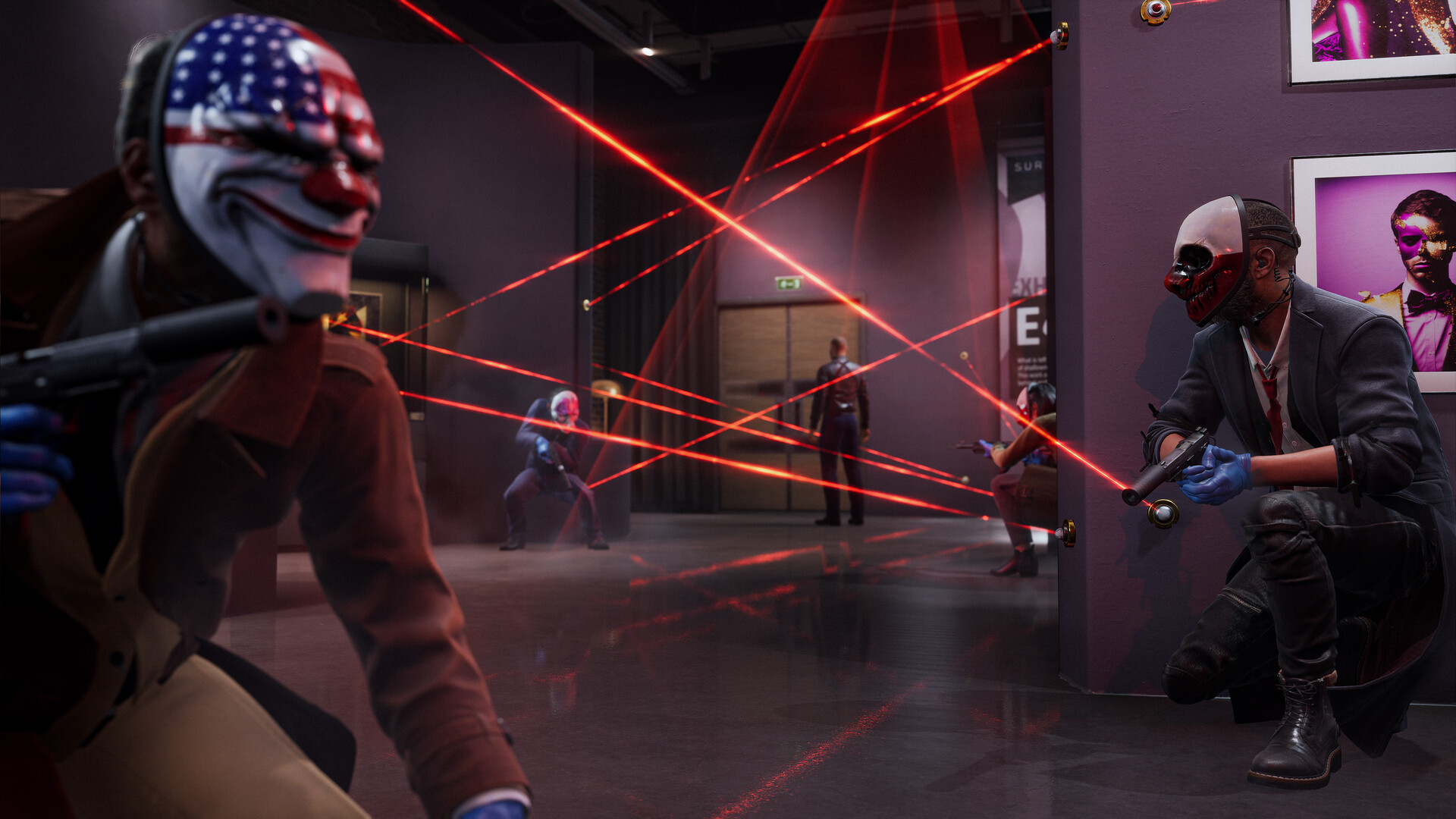
Starbreeze Studios announced another round of layoffs this week, trimming headcount as PAYDAY 3 continues to haemorrhage the player base it briefly captured at launch. The studio cited "restructuring" and "resource reallocation" — the standard vocabulary of a company that knows things went wrong but hasn't fully committed to saying so publicly.
PAYDAY 3 shipped in September 2023 to a launch so broken that players couldn't get into matches for hours. The always-online requirement — mandatory even for solo play — collapsed under basic launch traffic. That's not an unusual failure mode for online-dependent releases, but Starbreeze compounded it by having no offline fallback at all. Months later, the lobbies are still thin.
What Actually Happened at Launch
What Actually Happened at Launch
The matchmaking failure on day one wasn't just a server capacity issue. Starbreeze had chosen Nebula, their proprietary online service, as the backbone of PAYDAY 3's multiplayer. When it buckled, there was no fallback. No peer-to-peer. No LAN. Nothing. Players who had bought the game simply could not play it.
The studio apologised. They issued patches. Nebula was eventually stabilised. But the damage was already visible in the Steam concurrent player numbers, which dropped from a launch-day peak well above 50,000 to low four figures within weeks. That kind of drop happens to games that lose people's trust fast — and trust, once broken in the live-service space, rarely comes back in full.
The Game Underneath the Mess
Here's the part that makes this genuinely frustrating rather than just grimly predictable: PAYDAY 3's core heist design isn't bad. The detection system, which tracks suspicion separately from full police response, adds real decision-making tension to the stealth phase. You can push your exposure further than PAYDAY 2 allowed before committing to loud.
But "not bad" doesn't save a game with a reputation already in the ground. The content slate at launch was thin — fewer heists than longtime fans expected — and the progression system, which gated useful upgrades behind a challenge-based infamy structure, frustrated players who wanted to build loadouts on their own terms. The bones were there. The surrounding architecture wasn't.
Starbreeze's Recurring Problem
This isn't Starbreeze's first crisis. The studio nearly collapsed in 2018 after a failed publishing deal and a securities investigation tied to insider trading allegations involving then-executives. They rebuilt slowly, leaning on PAYDAY 2's remarkably durable playerbase — a game from 2013 that still pulls tens of thousands of concurrent players on Steam on a regular day — to stay solvent.
PAYDAY 3 was supposed to be the clean break. Instead it's beginning to feel like a rerun. A studio that depends heavily on one franchise, releases that franchise's sequel with critical infrastructure failures, and then watches the audience drift back to the older, more functional version. The PAYDAY 2 numbers actually ticked upward in the weeks after PAYDAY 3's disastrous launch.
What the Layoffs Signal
Starbreeze hasn't disclosed exact numbers for this round of cuts, which makes it harder to assess scope. But layoffs at a studio actively maintaining a struggling live-service title typically mean one of two things: either the project is being scaled back to a skeleton crew while leadership decides whether to sunset it, or the studio is trying to cut costs while claiming a path forward still exists.
Their public communication suggests the latter — there are still references to planned content updates and ongoing support. Whether that's realistic depends on whether the remaining team has the capacity to meaningfully improve the game, or whether they're just keeping the lights on long enough to avoid the PR cost of an official shutdown. The distinction matters for the players still in those half-empty lobbies.
The Wider Pattern Worth Naming
PAYDAY 3 fits a pattern that's becoming exhausting to document: live-service games that launch in broken states, recover too slowly to retain the audience that goodwill requires, and then enter a slow managed decline while the studio absorbs the human cost of the failure. Redfall went through a version of this. Babylon's Fall went further. The difference is usually how much runway the studio had and how quickly they could patch credibility back.
Starbreeze is a small studio by modern standards, without the cushion of a major publisher absorbing losses across a portfolio. Every month of thin player counts is a month the calculus gets harder. The people who just lost their jobs were not the ones who decided to ship without an offline mode. That's the part that tends to get lost in these announcements.
PAYDAY 3 might still find a smaller, stable audience — stranger recoveries have happened, and No Man's Sky remains the template everyone cites hopefully. But No Man's Sky had Hello Games operating with minimal overhead and no pressure to sustain a workforce expecting sequential growth. Starbreeze's situation is different, and a quiet comeback story requires a kind of sustained patience that this industry almost never actually allows.
Reader Q&A
Where did this information come from?
Combination of official statements, public filings, and corroborated reporting. We don't republish single-source rumors without verification.
When will the next update on this story drop?
Whenever there's something substantive to add. We don't publish empty 'still waiting' filler.
How do I get notified when there's an update?
Subscribe to the weekly newsletter — link in the footer. We email substantive updates only, no spam.
Reader comments