Tekken 8 Is Patching Its Soul While Bandai Namco Burns
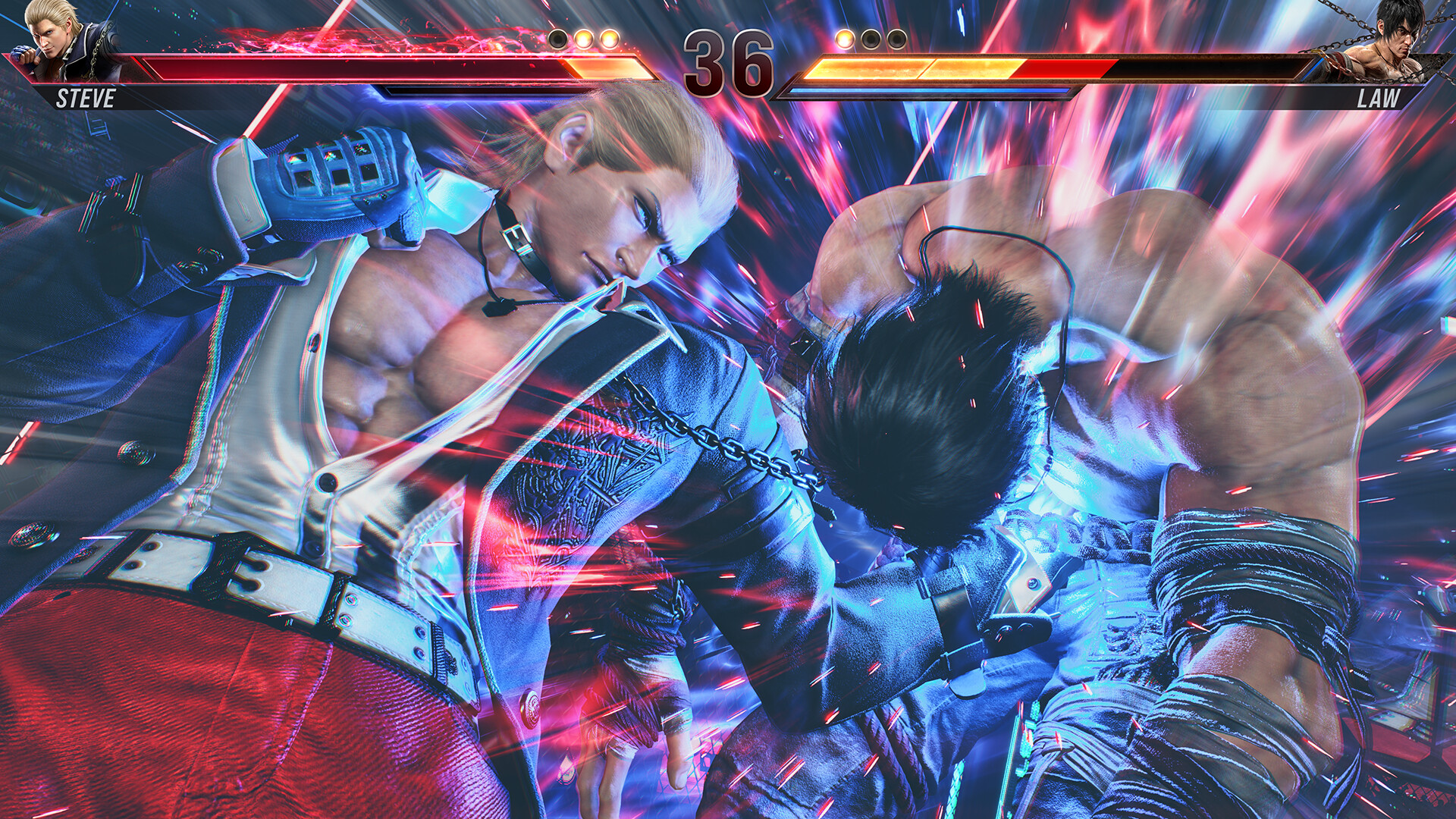
Tekken 8 is having a quietly good year on the competitive side — ranked queues are active, the character roster feels genuinely varied, and several balance updates have tightened the mid-tier fighters into something approaching viability. It is, by the numbers, a fighting game doing what fighting games are supposed to do.
And yet it is almost impossible to talk about Tekken 8 right now without talking about Bandai Namco — the publisher currently managing a very public identity crisis, layoffs across multiple internal teams, and a catalogue that reads like a company still trying to figure out what it actually wants to be. The game is patching its way toward something healthier. The house it lives in is a different story.
The Gameplay Loop Is Genuinely Stronger
The Heat system — Tekken 8's central offensive mechanic that temporarily amplifies pressure and unlocks character-specific attacks — took real criticism in the game's early months. Too much of it, critics said, rewarded aggression to the point of flattening defensive play. Recent balance passes have trimmed some of the most egregious Heat extensions, giving defensive players more room to breathe between offensive bursts.
The character-specific adjustments have been incremental rather than sweeping, which is actually a reasonable way to tune a fighting game with a roster this large. Drag and Reina in particular have been walked back from dominant positions without being stripped of their identity. That kind of surgical adjustment takes time, and the development team appears to be putting that time in.
Arcade Quest and Story Mode Were Always the Weak Points
The parts of Tekken 8 that were always going to age poorly — Arcade Quest's thin RPG layer, the story mode's cinematic excess — have not meaningfully improved, because they were never really designed to. They are content shells that exist to hold new players in the game long enough to develop a reason to stay. Some do. A lot don't.
This is not unique to Tekken. Street Fighter 6's World Tour mode had the same structural tension: engaging enough to be a feature, shallow enough to be forgotten. The difference is that SF6's core was so accessible at launch that the mode felt optional in a comfortable way. Tekken 8's onboarding has always had a steeper gradient, and Arcade Quest was supposed to ease that. It does not, quite.
Bandai Namco's Wider Problems Keep Bleeding Through
Bandai Namco has had a rough stretch that is hard to attribute to any single decision. Cancellations, restructuring, and a string of releases that either underperformed commercially or landed with a critical shrug have accumulated into a picture of a publisher without a clear throughline. This is a company that publishes Dark Souls, Tekken, Elden Ring, and also churns out licensed anime tie-ins of wildly varying quality — a portfolio that reflects corporate acquisition logic more than any coherent creative direction.
The concern for Tekken specifically is investment — whether the development team maintaining Tekken 8 retains the resources and internal stability to continue the kind of careful post-launch work the game genuinely needs. Fighting games with strong post-launch support, like Guilty Gear Strive under Arc System Works, tend to grow their communities steadily. Games that get dropped or deprioritized mid-cycle stall out in ways that are very hard to reverse.
The Competitive Scene Is Holding, For Now
Major tournaments are still running. The ranked ecosystem still generates genuine interest. High-level play — particularly around the jukes and frame traps that make Tekken's neutral game different from any other fighting series — remains as interesting to watch as it has ever been. That is not nothing. It is, in fact, the core of the thing.
The community is doing its part. Content creators who broke down Tekken 8's systems during launch are still producing work, and the player-to-player knowledge transfer that happens in Discord servers and local scenes is probably what's keeping mid-level ranked queues healthy more than any official retention feature.
What the Next Year Actually Needs to Look Like
DLC characters in fighting games are both a revenue mechanism and a design statement — they signal continued investment, and they can shift the meta in directions that either excite or exhaust a player base. Tekken 8's first DLC season added fighters that felt reasonably considered rather than cynically powerful. Whether that continues is a real question, not a rhetorical one.
The cosmetic shop — which operates on the kind of per-item pricing that adds up quickly if you care about customization — has drawn consistent criticism since launch, and nothing has changed there. That is the lever Bandai Namco seems most interested in pulling. It is not incompatible with a good game, but it does not make one either.
Tekken 8 is worth playing right now. The fundamentals are sound, and the team behind the balance work clearly understands the game it is maintaining. Whether Bandai Namco gives that team the runway it needs is the actual open question — and the answer is not going to come from inside the game.
Reader Q&A
Where did this information come from?
Combination of official statements, public filings, and corroborated reporting. We don't republish single-source rumors without verification.
When will the next update on this story drop?
Whenever there's something substantive to add. We don't publish empty 'still waiting' filler.
How do I get notified when there's an update?
Subscribe to the weekly newsletter — link in the footer. We email substantive updates only, no spam.
Reader comments