Apex Collective bet TGS 2026 on a character SF6 just nerfed
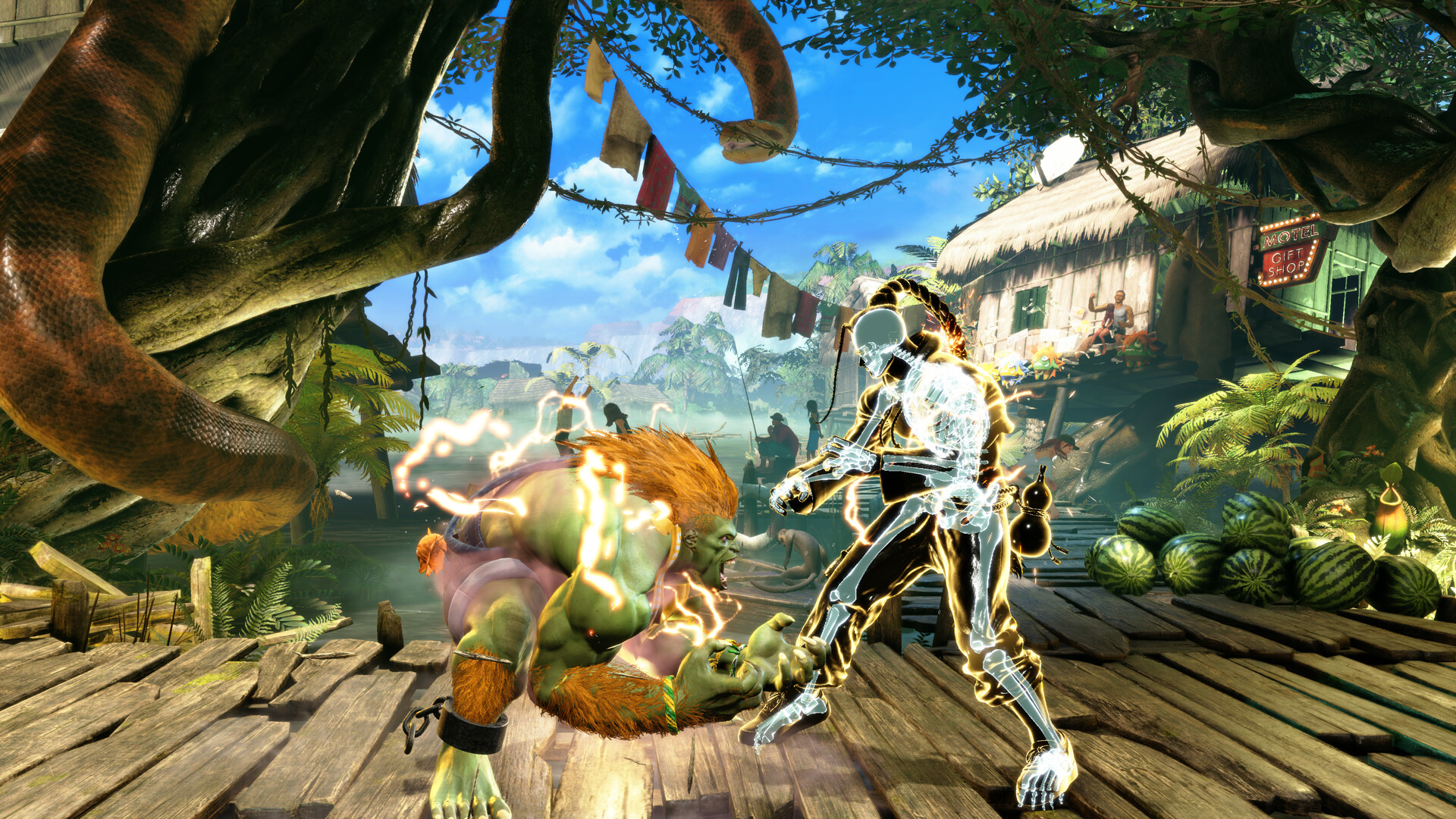
Apex Collective announced their TGS 2026 roster lock about three weeks after Capcom pushed a balance update that specifically reduced the damage ceiling on one of their star players' main character. Bad timing. Or a statement. Hard to tell which, and that ambiguity is kind of the point.
Street Fighter 6 has been a genuinely good competitive game — readable neutral, drive system that rewards aggression without making defense feel pointless, a cast with enough asymmetry to keep the tier list contested for years. But competitive organizations don't live in 'genuinely good.' They live in marginal edges, and when Capcom erases one of those edges with a patch, the teams that built around it have to decide: adapt publicly, or commit harder and make the meta come to them. Apex Collective, apparently, picked the second option.
The Character, The Nerf, and What It Actually Changed
The affected character — a rushdown specialist with a corner-carry sequence that top players had been exploiting for most of the current competitive season — had their drive rush cancel windows tightened and one key combo route shortened. Not gutted. Not retired to low tier. But the specific oki setup that Apex Collective's anchor player had spent months optimizing was disrupted enough that several analysts immediately flagged it as a roster concern heading into a major event.
To be clear about what these kinds of mid-tier adjustments actually do: they rarely kill a character's viability outright. What they do is raise the execution cost. The same outcome now requires more inputs, tighter timing, less margin for error under pressure. At regional qualifiers that's manageable. At TGS-level visibility, where matches go to sets and mental fatigue compounds, tighter execution margins become very real competitive liabilities.
The organization could have swapped to a safer anchor pick. Several characters in the current SF6 meta are what commentators call 'honest' — straightforward gameplan, consistent reward, minimal reliance on one specific sequence. Apex didn't go that route. Which is either loyalty, stubbornness, or a calculated read that the nerf doesn't actually matter as much as the discourse suggests.
Why TGS Specifically Raises the Stakes
Tokyo Game Show carries a particular weight for fighting game organizations that most Western esports events don't quite replicate. Capcom is a Japanese studio. SF6's most engaged regional scene is Japanese. Performing well — or poorly — in front of that audience, at that venue, in proximity to the development team that just changed your character, is a very specific kind of pressure.
There's also a sponsorship optics dimension that's easy to underestimate. Apex Collective is a mid-sized org that punches above its weight in FGC circles but doesn't have the infrastructure of a Red Bull-backed team or the legacy brand recognition of something like EVO-circuit stalwarts. TGS is one of the few events where a strong showing translates almost directly into visibility with the kind of sponsors that could change the org's resource ceiling. A first-round exit while playing a freshly adjusted character, against top Japanese competition, on a stage that Capcom effectively co-headlines — that's a bad narrative to carry into contract season.
The Underdog Math
Here's the thing about committing to a nerfed character at a major event: it sometimes works, and when it does, the story writes itself. The FGC has a long memory for moments when a player out-adapted the patch cycle. Justin Wong making previously dismissed characters work at majors. Tokido's pivots between competitive seasons. The community narrativizes these moments because they're proof that player mastery can partially outrun developer intent.
Apex Collective's player presumably knows the character's current state better than most. Post-nerf lab time, if it's been put in seriously, might have surfaced alternative routes that the broader meta hasn't caught up to yet. That's the genuine upside scenario. The player arrives at TGS with solutions the opponent hasn't prepared for, because the opponent's pre-tournament research was based on the character's pre-nerf threat profile.
Less charitably: the org might be under-resourced for a character switch this close to the event. Switching mains isn't just a practice-room decision — it's coaching alignment, match-up study for the new character's bad matchups, and a mental reset that takes time most teams don't have in the final stretch before a major. Sticking with a known quantity, even a slightly weakened one, can be the pragmatic call dressed up as a principled stance.
What the SF6 Meta Actually Looks Like Right Now
SF6's competitive meta has never fully resolved into a single dominant tier. The drive system's universality means a skilled player on a B-tier character can still threaten A-tier opposition — the gap between tiers is smaller than it was in Street Fighter V's more volatile balance periods. That's by design; Capcom has been fairly deliberate about preventing the kind of single-character dominance that choked out variety in some earlier eras.
The current landscape rewards players who understand drive gauge management more than pure execution speed, which makes the nerf to Apex's character slightly less catastrophic than it would have been in a system that was more execution-weighted. The character still has the tools. The question is whether the specific sequence that made this player dangerous — the one Capcom clipped — was genuinely central to their gameplan or just the most visible expression of it.
Capcom's Quiet Message to Competitive Teams
There's a broader tension sitting underneath all of this that doesn't get discussed enough in event preview coverage: Capcom updates Street Fighter 6 on a schedule that doesn't align with the competitive calendar. Balance patches drop when they drop. Tournaments happen when they're scheduled. Organizations, players, and coaches absorb the delta.
Other fighting game developers have experimented with freeze periods — pausing balance updates in the weeks before a major to give the competitive field a stable game state. Capcom hasn't moved toward that model with SF6, at least not publicly. Whether that's confidence in the game's balance philosophy or just internal scheduling, the effect is the same: teams like Apex Collective are expected to adapt on a timeline they didn't set.
That's not a criticism of the game. SF6 is, genuinely, one of the best-designed competitive fighters in recent memory. It's just worth naming that the structure places adaptation risk entirely on the players and organizations, not on the publisher running the event the patch just disrupted.
What TGS Will Actually Tell Us
If Apex Collective's player reaches top eight on this character, the nerf narrative dissolves and something more interesting replaces it: a data point that the community's initial read on the patch was overcalibrated. That happens. Tier lists move faster than player adaptation, and the FGC's collective assessment of what a patch does often overshoots in the first few weeks.
If they exit early, the post-mortem will be predictable and probably accurate — a close-to-major patch caught an organization that didn't have the flexibility to adjust. Either result will be worth watching. Not because Apex Collective is the biggest name at TGS, but because they're the most visible test case for a question the SF6 competitive scene hasn't fully answered yet: how much does a targeted nerf actually cost a player who knows a character well enough to have built a career on them.
The answer TGS produces will probably be specific to this player, this character, this patch, this field. It won't generalize cleanly. But that's what makes it worth paying attention to — not the spectacle of a big-brand matchup, but the smaller, more interesting question of whether preparation can outlast a developer's correction.
Reader Q&A
How are tournament results verified?
We pull directly from the publisher's official broadcast feeds and tournament databases (HLTV, Liquipedia for community-tracked data).
Will brackets and seedings be updated as the event progresses?
Yes — major events get live coverage; bracket updates land within hours of each match.
How do you handle roster changes mid-season?
Roster updates are confirmed via team announcements before being reflected here. We avoid unconfirmed rumors.
Reader comments